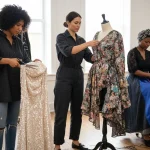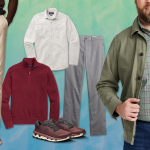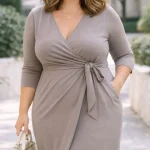
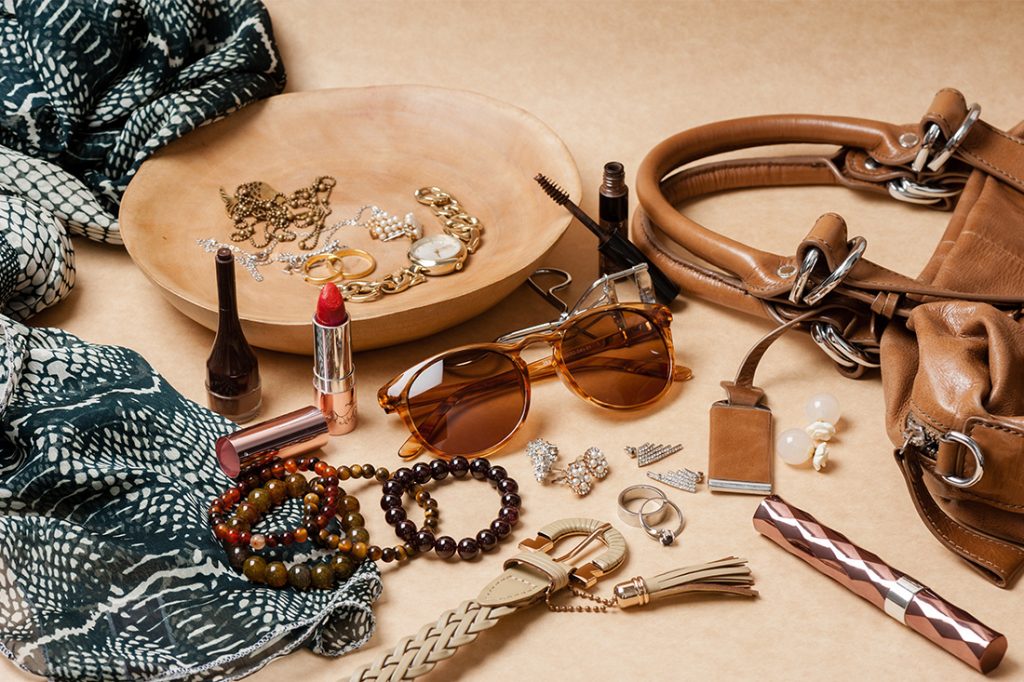
Sometimes the clothes fit well and the colors work, yet the outfit still seems unfinished. Weak outfit finishing often comes down to missing visual connections rather than needing another major garment. A belt, watch, necklace, scarf, bag, or thoughtfully chosen shoes can provide the final bit of structure that turns separate clothing pieces into one coordinated look.
Decide What the Outfit Is Missing First
Accessories work best when they solve a specific problem. A plain neckline may benefit from a necklace, loose proportions may need a belt, and a simple neutral outfit may need texture or contrast.
Studying finished outfit examples can help you identify which details create that sense of completion. Pay attention to placement rather than the number of accessories.
Use One Strong Detail Before Adding Several
Start with a single purposeful addition. A structured bag or noticeable pair of earrings may be enough.
If the outfit still needs something, add gradually. This prevents finishing touches from becoming visual clutter.
Connect Accessories With Existing Details
An accessory doesn’t need to match perfectly. It only needs some relationship with the outfit through color, texture, shape, or level of formality.
A person looking through closet accessory ideas might notice that successful outfits often repeat small details. Brown leather shoes and a similarly warm belt can create connection without looking overly coordinated.
| Outfit Issue | Useful Accessory | What It Adds |
|---|---|---|
| Plain neckline | Necklace | Focal detail |
| Loose silhouette | Belt | Definition |
| Neutral clothing | Textured bag | Visual interest |
| Simple layers | Watch or bracelet | Small finish |
Pay Attention to Scale
Accessory size should make sense beside the clothing. A tiny bag can disappear against an oversized coat, while a massive statement necklace may overpower a delicate blouse.
Proportion becomes easier when browsing balanced styling inspiration with a critical eye. Notice whether larger clothing is paired with accessories strong enough to hold their place visually.
Match the Visual Weight
Heavy boots, thick knits, and structured outerwear usually tolerate heavier accessories. Light summer fabrics often look more natural with slimmer jewelry, softer bags, or less substantial footwear.
That relationship is more useful than rigid matching rules.
Use Shoes and Bags as Part of the Outfit
Shoes and bags are sometimes treated as practical necessities added after getting dressed. In reality, they can change the entire level of polish.
Sneakers can relax tailored trousers, loafers can sharpen denim, and a structured bag can make simple clothing look more deliberate. You don’t need a large collection; a few versatile options can create noticeably different results.
Why More Accessories Can Make Things Worse
The common mistake is assuming an unfinished outfit needs more of everything. Earrings, necklace, bracelets, belt, scarf, hat, and statement bag may individually look good but compete when worn together.
Accessories should create hierarchy. Decide where you want the eye to go, then reduce anything fighting for the same attention. Leaving deliberate empty space often looks more polished than filling every possible accessory position.
Frequently Asked Questions
How many accessories should I wear at once?
There isn’t a fixed number. Start with one or two purposeful accessories and judge whether the outfit still feels incomplete. Visual balance matters more than counting pieces.
Do jewelry metals have to match?
No. Mixed metals can work well when the combination appears intentional. Repeating each metal at least once can make the mix feel more connected.
Can shoes count as an accessory?
Yes. Shoes strongly influence color balance, formality, proportion, and overall mood, so they should be considered part of the styling process rather than an afterthought.
Finish With Purpose, Not Quantity
A polished outfit rarely depends on piling on details. Identify the missing element, choose an accessory that answers that need, and then stop when the look feels balanced. A few well-placed finishing touches can make simple clothing appear far more intentional than a crowded collection of statement pieces.