A special occasion budget can disappear quickly when every invitation feels like a reason to buy a completely new outfit. Reusing strong wardrobe pieces is usually cheaper and often produces better results because you already know how those clothes fit. The trick is changing the styling enough that a familiar garment feels appropriate for a different event.
Identify Your Most Reusable Foundation Pieces
Start with items that have simple shapes and limited decorative detail. A black midi dress, navy suit, satin skirt, neutral jumpsuit, tailored trousers, or clean blazer can often move between multiple occasions.
Neutral doesn’t have to mean boring. Simple foundation pieces create room for stronger accessories, layers, shoes, and color combinations.
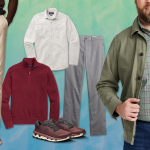
People comparing wardrobe styling references with their own clothes can focus on silhouette instead of searching for exact duplicates. A familiar base becomes much more flexible when the surrounding pieces change.
Change the Supporting Pieces First
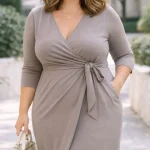
Before replacing the main garment, change what sits around it. A dress worn with delicate heels and a clutch can feel different with boots, a structured jacket, and larger jewelry.
The same principle applies to tailored separates. One pair of trousers may work for a birthday dinner, wedding-related event, business celebration, or holiday party depending on the top and accessories.
| Base Piece | Lower-Cost Change | New Effect |
|---|---|---|
| Midi dress | Different jacket | New silhouette |
| Suit | Contrasting shirt | More personality |
| Satin skirt | Knit or blouse | Changes formality |
| Jumpsuit | Belt and earrings | Stronger definition |
Looking through closet review guides while making a quick inventory can help remind you what you already own before money is spent on duplicates.
Spend Where the Change Will Be Noticeable
Not every new purchase has equal styling value. A versatile pair of shoes may affect ten outfits, while a highly specific dress may only suit one invitation.
Accessories can also change the mood without taking over the budget. Earrings, scarves, bags, belts, and hair accessories are easier to rotate than full outfits.
People comparing special-event styling ideas can use the same approach: identify what actually makes one look feel different from another. Often the difference comes from proportion, accessories, or layering rather than a completely different wardrobe.
What Makes Rewearing Look Repetitive
Repeating the same clothing isn’t the problem. Repeating the exact same styling from shoes to jewelry is what makes an outfit feel unchanged.
Another mistake is buying cheap replacement outfits only because they are new. If the fabric, fit, or construction is disappointing, the lower price may still represent wasted money. A reliable piece worn several ways usually offers better value than several garments you don’t enjoy wearing.
Frequently Asked Questions
How can I rewear the same dress to different events?
Change the shoes, outer layer, jewelry, bag, hairstyle, or belt. You can also adjust the level of formality by pairing the dress with either polished tailoring or more relaxed accessories.
Which special occasion pieces are worth buying?
Pieces with clean shapes and repeat potential often provide the most value. Look for clothing that fits well, works with several shoes or jackets, and isn’t tied to one narrow trend.
Is repeating an outfit at events acceptable?
Yes. Most people repeat clothing, especially versatile pieces. Different styling, venue, season, and accessories can make the same garment feel fresh without requiring a completely new purchase.
Make Each Purchase Work Harder
A practical special occasion budget starts with your existing wardrobe, not the shopping cart. Find the pieces that already fit, test new combinations, and spend only where a purchase noticeably expands your options. Rewearing clothes isn’t a styling failure. Done well, it creates a more useful wardrobe while leaving more of your budget available for the occasions themselves.