
Large home repairs often begin as small problems that remained unnoticed. A slow leak, blocked gutter, cracked seal, or dirty filter can create a much larger expense after months of neglect.
Routine home checks help you catch changes early, plan maintenance before emergencies, and understand which parts of the property need professional attention.
Walk Around the Exterior Regularly
Start outside. Look for damaged roof materials, loose siding, cracked masonry, pooling water, blocked drainage, damaged gutters, and gaps around windows or doors.
You do not need technical expertise to notice that something has changed.
People reading broader household topics may encounter countless renovation ideas, but preventing water intrusion is usually more urgent than cosmetic improvements.
Look Closely After Severe Weather
Heavy rain, strong wind, snow, or extreme heat can reveal weak points.
A quick inspection after unusual weather may expose missing shingles, overflowing gutters, loose branches, or new damp areas before they cause wider damage.
Watch for Water Inside the Home
Water damage is often easier to manage when found early. Check under sinks, around toilets, near water heaters, below appliances, and around ceilings beneath bathrooms.
Musty odors, peeling paint, discoloration, or unexpectedly damp materials deserve attention.
General everyday consumer coverage often focuses on major household purchases, but small maintenance habits can influence long-term ownership costs just as much as the products you buy.
| Area to Check | Warning Sign | Possible Action |
|---|---|---|
| Under sinks | Moisture or staining | Find source promptly |
| Gutters | Overflow or debris | Clean and inspect |
| HVAC filter | Heavy dirt buildup | Replace as appropriate |
Maintain Heating and Cooling Systems
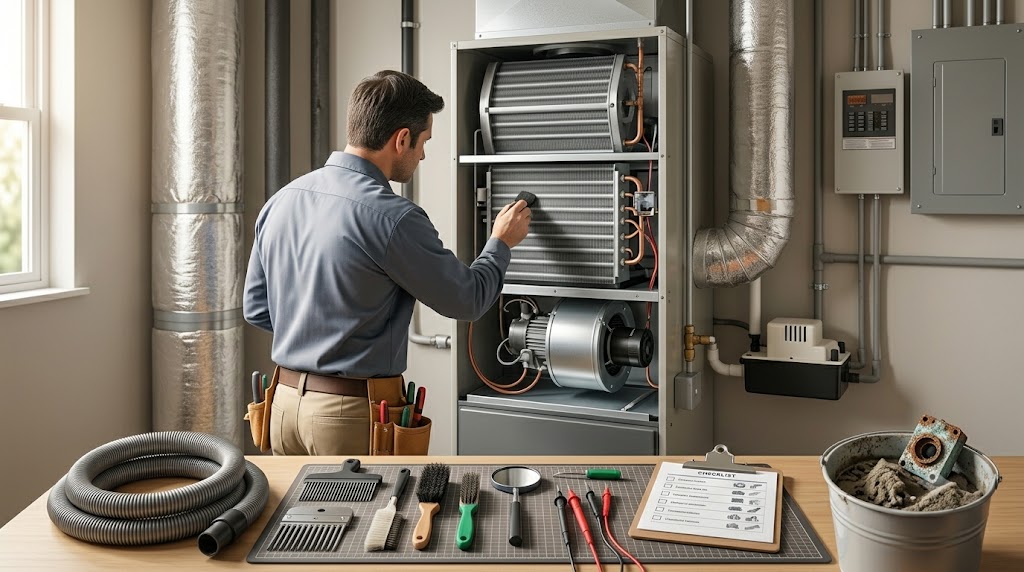
Filters, vents, outdoor equipment, and drainage components need routine attention.
Follow the manufacturer’s maintenance guidance for your system. Keeping airflow clear and arranging professional service when needed can help identify wear before a complete failure occurs.
Readers interested in practical home topics should also remember that maintenance schedules differ by equipment type, climate, property age, and manufacturer.
Create a Simple Property Log
Keep a basic record of maintenance dates, repairs, appliance ages, contractor visits, warranties, and recurring problems.
Photos can also help. An image of a small crack or stain gives you something to compare several months later.
A property log makes it easier to see whether a problem is stable or getting worse.
Common Maintenance Mistakes That Cost More Later
Ignoring small leaks is one of the biggest problems. Water can affect cabinets, flooring, drywall, insulation, and structural materials beyond the original source.
Another mistake is replacing visible damage without fixing the cause.
Fresh paint will not solve a recurring roof leak. New flooring will not help if moisture continues entering from below. Diagnose the source before spending money on cosmetic repair.
Frequently Asked Questions
How often should I inspect my home?
A light inspection every few months can catch many visible issues, while seasonal checks are useful for roofs, gutters, heating, cooling, drainage, and weather-related wear.
Which home problems should not be delayed?
Active leaks, electrical concerns, structural movement, gas-related issues, major roof damage, and other safety-related problems deserve prompt professional evaluation.
Is preventive maintenance actually cheaper?
It often can be because small defects may be easier to correct before they damage surrounding materials or cause additional equipment failure. Costs still depend on the specific property and repair.
Catch Small Problems While They Are Still Small
Home maintenance becomes expensive when minor warning signs remain invisible until damage spreads.
Choose one area of your property this weekend and inspect it carefully. Start with water, drainage, exterior openings, or heating and cooling equipment. Ten minutes of observation can reveal the next maintenance task before it becomes an emergency.