
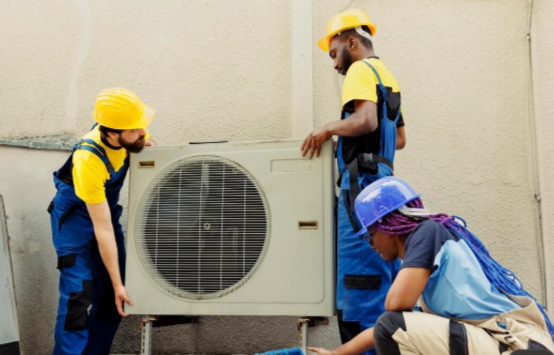
A new heating and cooling system represents a major investment in your home. The equipment you choose matters, but the quality of the installation can have an equally important effect on comfort, energy use, system performance, and long-term reliability.
Even an efficient unit can perform poorly when a contractor installs it incorrectly or selects equipment that does not suit the property. Choosing the right contractor requires more than comparing prices.
You need a company that understands your home’s design, evaluates your heating and cooling needs, recommends suitable equipment, and follows proper installation practices. Let’s explore 4 tips that can help you select a qualified contractor for your project.
Check the Contractor’s Experience and Credentials
Experience should be one of the first things you examine when choosing a contractor. Heating and cooling systems involve electrical components, refrigerant lines, airflow requirements, thermostats, ductwork, drainage, and other technical elements.
A contractor with relevant experience can handle these details more effectively. Ask how long the company has provided hvac installastion services and how often its technicians complete residential projects.
You should also ask whether the contractor has experience installing the specific type of system you are considering.
Make Sure the Contractor Evaluates Your Home
One of the most important steps in choosing a residential HVAC contractor involves the initial home assessment. A professional should not recommend a system based only on the size of your existing unit or a quick look at the property.
Every home has different heating and cooling requirements. Factors such as square footage, insulation, windows, ceiling height, ductwork, orientation, local climate, and air leakage can affect the amount of heating or cooling the property needs.
An oversized system may cool or heat a space quickly, but that does not necessarily make it a better choice. An improperly sized unit can cycle on and off too frequently, which may reduce comfort and place additional stress on components.
Compare Equipment Recommendations
The equipment itself deserves careful attention, but do not let brand names become the only deciding factor. Different systems offer different efficiency ratings, features, capacities, and operating costs.
Ask the contractor to explain why a particular model suits your home. You should understand the system’s capacity, efficiency, expected operating characteristics, warranty terms, and maintenance requirements.
Energy efficiency can influence long-term costs. A more efficient system may have a higher purchase price but could reduce energy consumption over time. However, efficiency should always be considered alongside correct sizing and proper installation.
Get Detailed Written Estimates
Cost is an important part of any home improvement project, but comparing contractors only by the lowest price can lead to problems. Instead, request detailed written estimates from several qualified companies.
A useful estimate should explain the proposed equipment, installation work, labor, materials, removal of old equipment, warranty coverage, and other applicable charges. The more clearly the estimate defines the project, the easier it becomes to compare contractors.
Pay attention to differences between proposals. One contractor may include duct modifications, electrical work, thermostat installation, and disposal of old equipment, while another may charge extra for those services.