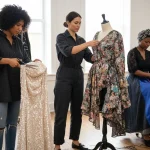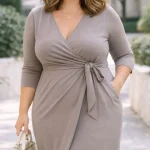
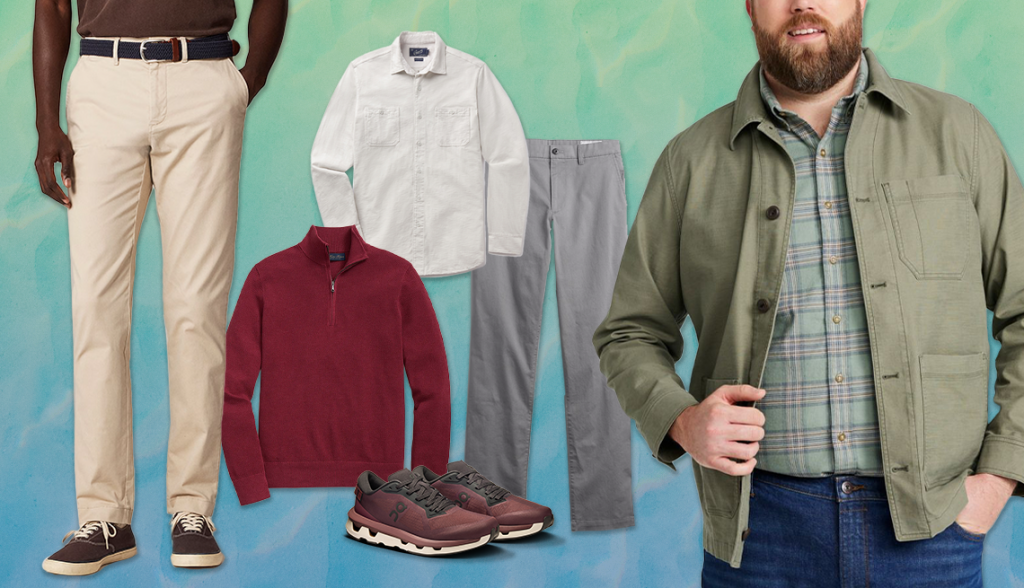
Wearing the same dependable pieces to work isn’t a wardrobe failure. Frequent outfit repeats become frustrating only when every combination looks identical. Instead of constantly buying new clothing, changing shoes, layers, accessories, proportions, and color pairings can make familiar basics feel different enough for meetings, routine desk days, presentations, or casual Fridays.
Identify Your Most Useful Repeat Pieces
Start with the clothes you already wear often. These might include black trousers, a navy blazer, a white shirt, a neutral skirt, or a simple knit.
Those pieces are valuable because they already work. The goal isn’t replacing them but finding several combinations around each one.
Create Outfit Roles
Give the same item different jobs. A white shirt can be worn under a blazer for a formal meeting, beneath a cardigan for a softer office look, or with tailored trousers and rolled sleeves on a relaxed day.
Looking through everyday fashion inspiration can help generate combinations without turning each new outfit into a shopping list.
Change One High-Impact Element
You don’t need to change everything. Shoes, outer layers, belts, scarves, jewelry, or a different tuck can shift the impression of familiar clothing.
A pair of trousers worn with loafers and a knit feels different from the same trousers paired with a blouse and structured jacket.
| Repeat Basic | Version One | Version Two |
|---|---|---|
| Black trousers | Shirt + blazer | Knit + loafers |
| White blouse | Pencil skirt | Wide-leg pants |
| Neutral dress | Cardigan + flats | Belt + jacket |
| Navy blazer | Matching trousers | Simple dress |
Rotate Silhouettes Around the Same Basic
Repeating a garment is less noticeable when the surrounding proportions change. A fitted top with wide-leg trousers creates a different outline from a relaxed blouse tucked into the same trousers.
Sources featuring work outfit combinations can provide ideas for mixing familiar separates rather than treating every look as a completely new wardrobe.
Use Tucking With Purpose
A full tuck usually looks sharper, while a relaxed untucked blouse may suit a softer outfit if the length is balanced. Partial tucks can work in some workplaces but may appear too casual in formal settings.
Build Small Color Formulas
Color can make repeated pieces feel less repetitive. Instead of wearing black trousers with the same white top, rotate cream, soft blue, burgundy, olive, or another workplace-friendly shade that suits your wardrobe.
Browsing clothing style ideas may offer useful color references, though building your own limited palette usually makes morning dressing faster.
What Frequent Outfit Repeats Don’t Mean
Repeating clothes doesn’t mean you lack style. Most practical wardrobes depend on repeat wear because useful garments should earn their place.
The real problem is often repeated styling rather than repeated clothing. Buying another basic that looks almost identical to one you own may add less variety than changing the combinations around the original. More clothing can even make outfit planning harder if the pieces don’t work together.
Frequently Asked Questions
Is it unprofessional to repeat work outfits?
No. Clean, appropriate clothing can be repeated regularly. Most coworkers are less focused on individual garments than people assume.
How often can I wear the same blazer?
As often as its condition, cleanliness, and workplace needs allow. Changing the shirt, trousers, dress, or accessories underneath can create noticeably different outfits.
How can I plan work outfits faster?
Choose several reliable formulas in advance, such as trousers plus knit, skirt plus blouse, or dress plus blazer. Rotate colors and accessories within those formulas.
Repeat Smarter Instead of Buying More
A strong work wardrobe doesn’t need endless novelty. Keep the basics that fit well and build several distinct combinations around them. Changing silhouette, color, footwear, or a single outer layer can give familiar clothing a different character. Once you stop treating repeated garments as the problem, getting dressed becomes less about owning more and more about using what you already have well.