
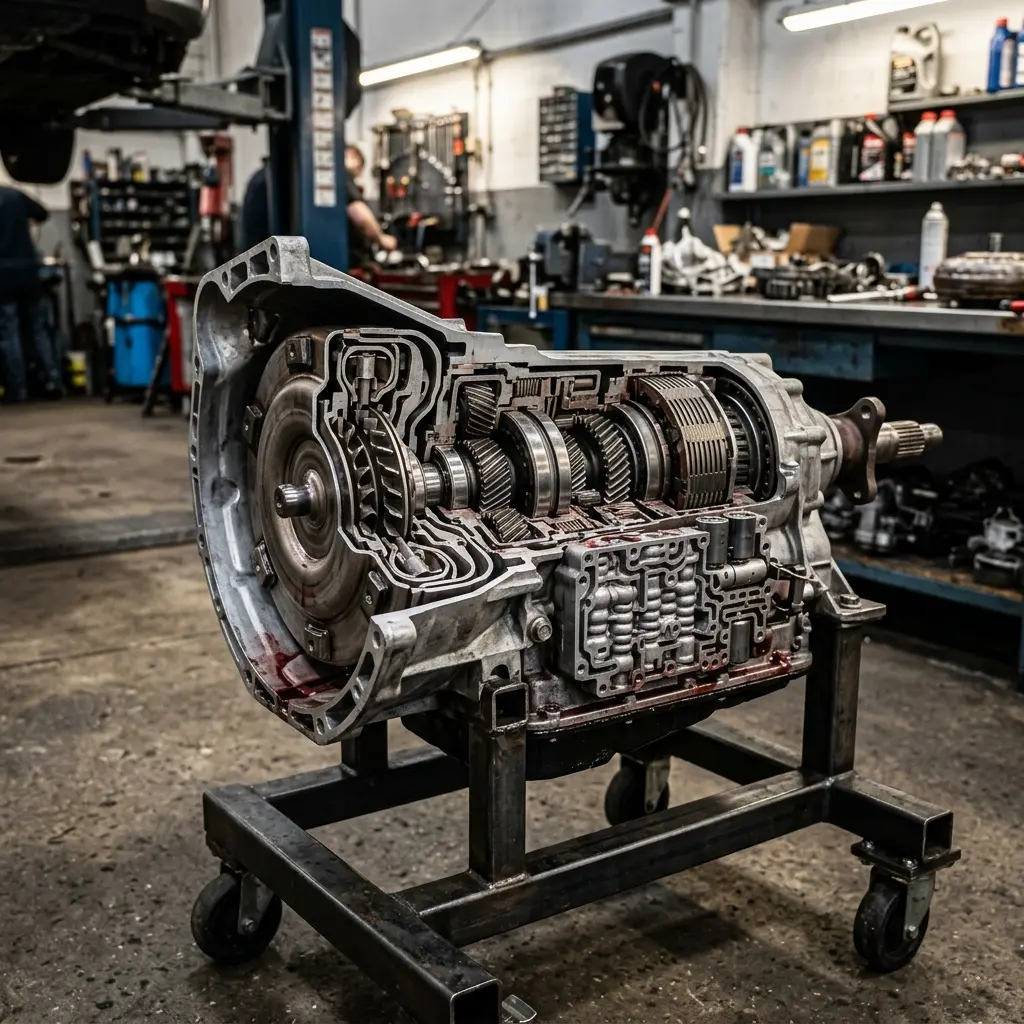
Neutral should disconnect engine power from the drive wheels while still allowing the engine to run. Neutral gear problems can appear when the vehicle creeps, refuses to select neutral, shows the wrong gear position, or unexpectedly behaves as though another gear is engaged. Causes range from simple selector adjustments to electrical faults or internal transmission damage.
Start With the Gear Selector
The shifter isn’t always connected directly to the transmission’s internal mechanisms. Depending on the vehicle, cables, linkage, electronic selectors, range sensors, or actuator systems may transmit the driver’s command.
Wear or misadjustment can cause the transmission position to differ from what the shifter indicates. A damaged bushing, stretched cable, or incorrect linkage adjustment can therefore create confusing gear-selection behavior.
Watch the Dashboard Indicator
If the gear displayed on the instrument panel doesn’t match the selector position, an electrical or range-sensor issue may be involved. That mismatch is useful diagnostic information and shouldn’t be dismissed.
Inspect Linkage and External Components First
External selector parts are generally easier to inspect than internal transmission assemblies. Looking for loose connections, damaged cable ends, worn bushings, and restricted movement can reveal problems without opening the transmission.
Regular vehicle inspection routines can help catch deteriorating linkage components before they leave the driver unable to select the intended gear.
Vehicles with electronic shift systems may instead require testing switches, wiring, actuators, and control-module data.
Internal Hydraulic Problems Can Affect Neutral
Automatic transmissions direct fluid pressure through complex internal passages. Valve-body faults, sticking valves, worn clutch components, or internal leakage can interfere with proper release and engagement.
Drivers considering wider drivetrain repair concerns should treat unintended movement in neutral as a diagnostic issue rather than assuming the selector label guarantees the transmission has fully disengaged.
| Neutral Problem | Possible Area | Useful Observation |
|---|---|---|
| Won’t select neutral | Linkage or selector | Shifter movement |
| Gear display incorrect | Range sensor/electronics | Dash indicator |
| Vehicle creeps | Internal engagement | Movement on level ground |
| Intermittent selection | Wiring or linkage | Temperature/vibration |
Vehicle Movement Can Create Extra Confusion
A vehicle parked on a slope may roll in neutral simply because no drive gear or parking mechanism is holding it. That behavior differs from powered creeping caused by incomplete disengagement.
Good tire traction and condition matter for general vehicle control, but tires won’t explain an engine-loaded sensation or powered movement when the transmission is supposed to be neutral.
Common Assumptions That Lead to Wrong Repairs
Drivers sometimes assume any shifter problem means the transmission itself has failed. External cables and bushings can create severe-feeling symptoms while the internal gearbox remains functional.
Another risky assumption is that an occasional incorrect gear indication can be ignored. If the transmission and selector disagree about gear position, starting, reversing, or parking behavior may become unpredictable. Proper diagnosis should confirm the commanded position, the actual transmission position, and the electrical signals connecting them.
Frequently Asked Questions
Why won’t my transmission go into neutral?
Possible causes include selector linkage problems, damaged cables, electronic selector faults, range-sensor issues, or internal transmission trouble. Inspecting external controls is often a sensible first diagnostic step before assuming internal damage.
Should a car move while the transmission is in neutral?
A vehicle can roll freely due to gravity because neutral doesn’t lock the wheels. Powered creeping or an obvious engine load while neutral is selected may indicate that the transmission hasn’t fully disengaged.
Can a transmission range sensor cause wrong gear selection?
It can contribute to incorrect gear-position information and drivability problems. Diagnostic data, wiring checks, and selector adjustment may be needed to determine whether the sensor itself or another component is responsible.
Confirm the Actual Gear Before Problems Escalate
Neutral problems deserve more attention than an inconvenient shifter feel. Confirm whether the dashboard position matches the selector, inspect linkage or electronic controls, and investigate any powered movement that shouldn’t occur. Starting with external components can prevent unnecessary transmission work, while persistent engagement problems should be diagnosed before vehicle control becomes less predictable.