Constant exposure to sunlight can gradually dull automotive paint, especially on horizontal panels that receive strong direct sun. Preventing sun faded panels is partly about paint protection, but parking habits also matter because reducing repeated ultraviolet exposure lowers the stress placed on the finish.
Shade, covered parking, routine washing, and suitable paint protection can work together to keep color and gloss looking better for longer.
Why Some Panels Fade Faster
The roof, hood, trunk lid, and upper surfaces usually receive more direct sunlight than vertical panels. Heat also builds quickly on these areas, especially on dark-colored vehicles.
Existing clear-coat damage can make deterioration appear more obvious. Readers exploring exterior vehicle care may see many restoration methods, but prevention is easier when the protective clear coat is still intact.
Environmental contamination matters too. Bird droppings, tree sap, mineral deposits, and airborne pollution can become more damaging when they bake onto a hot panel.
Choose Parking That Reduces Exposure
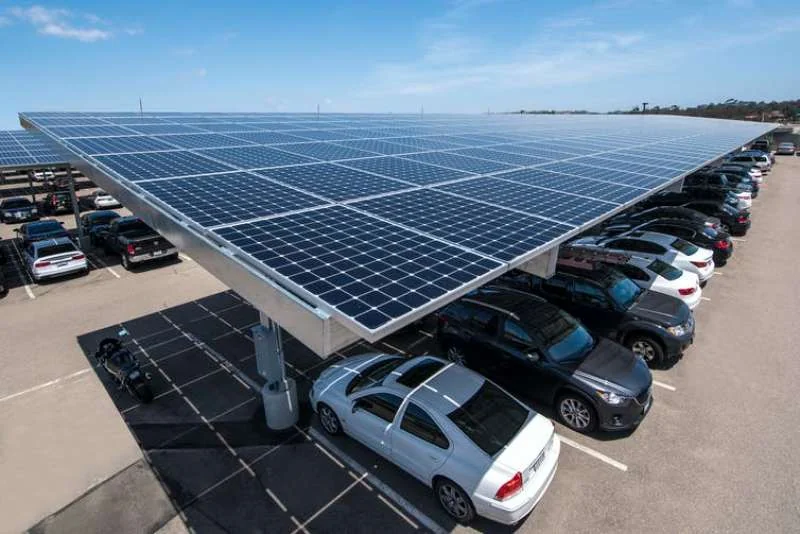
A garage or carport offers strong protection because it reduces direct sun as well as exposure to rain, dew, and airborne contaminants. When covered parking is not available, shade can still help.
Look at how shade changes during the day. A space shaded at 8 a.m. may sit in full sun by noon. General automotive information directories can help owners explore many care topics, though daily parking choices are among the simplest paint-preservation habits to change.
Avoid parking beneath trees that regularly drop sap, fruit, or heavy bird debris unless the shade benefit outweighs the contamination risk.
| Parking Choice | Sun Exposure | Tradeoff |
|---|---|---|
| Garage | Low | Limited availability |
| Carport | Low to moderate | Open sides |
| Tree shade | Reduced | Sap and bird debris |
| Open lot | High | Maximum exposure |
Maintain a Clean Protected Surface
Regular washing removes contaminants that can stain or etch the finish. Use paint-safe products and avoid aggressive scrubbing on hot panels.
Wax, sealant, or other compatible paint protection can add a sacrificial layer. People reading wider vehicle appearance resources may encounter many product claims, so follow the manufacturer’s realistic durability and application guidance rather than assuming one treatment provides permanent protection.
Apply products to properly prepared paint. Protection placed over embedded dirt or severe oxidation will not restore a damaged surface by itself.
Know the Difference Between Fading and Clear-Coat Failure
Mild dullness or oxidation may sometimes respond to careful polishing, depending on the paint system and condition. Peeling, flaking, or widespread clear-coat failure is different.
Once the clear layer has physically separated, wax cannot rebuild it. Refinishing may be needed to restore the affected panel properly.
A professional detailer or body shop can help identify whether the finish needs correction, repainting, or only routine protection.
What Drivers Often Misjudge
Shade is helpful, but it is not automatically safe parking. Trees may expose the paint to sap, birds, branches, and pollen, while some covered areas collect industrial dust.
Another mistake is trying to correct severe fading through repeated aggressive polishing. Polishing removes a small amount of material, so an already compromised finish should be evaluated before repeated correction attempts.
Frequently Asked Questions
Can parking in shade prevent paint fading?
Shade can reduce direct ultraviolet exposure and surface heating, which may help slow deterioration. It cannot prevent every source of paint aging, so washing and protection still matter.
Does car wax stop sun damage completely?
No. Wax or sealant can provide additional protection, but no normal exterior coating makes automotive paint permanently immune to ultraviolet exposure, contamination, or aging.
Can faded automotive paint be restored?
Some dull or oxidized finishes can improve with professional or careful paint correction. Peeling clear coat or severely damaged paint usually requires more substantial refinishing.
Reduce the Exposure Before Chasing Restoration
Good parking will not make old paint new again, but it can reduce daily stress on a healthy finish. Combine covered or shaded parking with prompt contaminant removal and suitable protection so the paint spends less time exposed to the conditions that gradually dull it.