
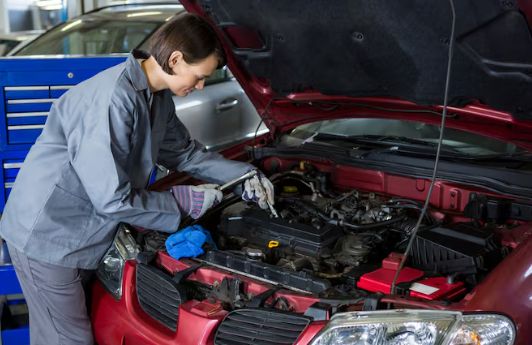
Owning a car brings incredible convenience and freedom, but it also carries the responsibility of regular maintenance and upkeep. Vehicles are complex mechanical systems composed of thousands of moving parts that experience natural wear and tear over time.
Neglecting routine checkups can lead to sudden breakdowns, expensive emergency fixes, and compromised road safety.
By understanding the core categories of maintenance your vehicle requires, you can proactively schedule servicing, extend your car’s lifespan, and ensure a smooth, dependable ride for years to come.
Routine Oil Changes and Fluid Health Maintenance
Engine oil is the absolute lifeblood of your vehicle, responsible for lubricating moving components and dissipating extreme heat. Over time, oil breaks down, collects microscopic debris, and loses its viscosity, which can cause severe friction and engine damage.
Scheduling regular oil changes every few thousand miles, alongside monitoring essential fluids like coolant, transmission fluid, and brake fluid, keeps your engine running efficiently.
Clean fluids prevent premature component failure and guarantee optimal mechanical performance under any driving condition.
Reliable Diagnostics and Expert Auto Repair
Every vehicle will eventually encounter unexpected mechanical hiccups, ranging from strange engine noises to dashboard warning lights. When these issues arise, seeking prompt professional auto repair is critical to diagnose the root cause accurately before minor problems escalate.
Certified mechanics utilize advanced scanning tools to pinpoint electrical faults, suspension wear, or transmission troubles quickly. Addressing mechanical issues immediately restores your car’s safety, prevents secondary damage, and saves you from exorbitant repair bills down the line.
Preserving Stopping Power Through Brake System Servicing
Your car’s braking system is its most vital safety feature, requiring meticulous monitoring to protect you and your passengers on the road. Brake pads, rotors, and calipers experience heavy friction during every stop, leading to gradual thinning and reduced stopping efficiency.
Routine inspections help identify worn components before they result in dangerous metal-on-metal grinding. Replacing worn pads and flushing old brake fluid ensures firm pedal responsiveness and reliable stopping power whenever you need to react to sudden hazards.
Maintaining Road Safety With a Thorough Car MOT Test
In many regions, ensuring your vehicle meets legal safety and environmental standards requires passing an annual car MOT test.
This comprehensive examination evaluates critical vehicle components, including steering, suspension, seatbelts, exhaust emissions, and lighting systems, to verify they comply with legal roadworthiness regulations.
Preparing for this inspection proactively by fixing minor defects prevents failing results and reassures you that your car is completely safe and legal to drive on public highways.
Tire Care and Wheel Alignment for Optimal Traction
Your tires represent the only physical connection between your vehicle and the asphalt, making their maintenance essential for traction and fuel economy. Regularly checking your tread depth, maintaining correct tire pressure, and scheduling periodic tire rotations prevent uneven wear patterns.
Furthermore, professional wheel alignment ensures your vehicle tracks straight, reduces strain on steering components, and improves handling performance. Proper tire maintenance maximizes your fuel efficiency and guarantees a comfortable, secure journey through all types of weather.
Protecting Your Battery and Electrical System Integrity
Modern automobiles depend heavily on complex electrical networks and robust batteries to power everything from ignition systems to advanced onboard computers. Extreme weather fluctuations can drain battery health, causing sluggish engine cranks and corrosion on terminal connections.
Periodically testing your alternator output, cleaning battery terminals, and replacing aging batteries prevents unexpected roadside failures. Ensuring a healthy electrical supply guarantees dependable vehicle startups and keeps all electronic safety features functioning smoothly.