
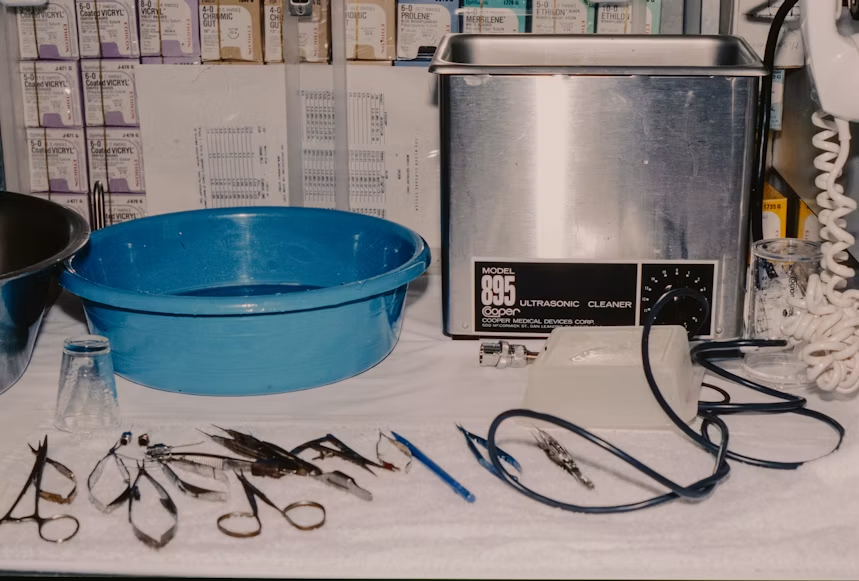
Vehicle radiators play an important role in maintaining proper engine temperature by transferring heat away from the coolant. Over time, dirt, grease, corrosion, and other contaminants can accumulate inside and outside the radiator, reducing its ability to operate efficiently. Ultrasonic cleaning provides a specialized method for removing stubborn contaminants and can help restore the cleanliness of radiator components without relying solely on traditional manual cleaning methods.
1. Removes Stubborn Contaminants
Radiators can collect oil, grease, dirt, scale, and other deposits that may be difficult to remove with ordinary cleaning methods. Ultrasonic cleaning uses high-frequency sound waves to create microscopic bubbles in a cleaning solution.
As these bubbles collapse, they produce small cleaning actions that can reach difficult areas and loosen contaminants from surfaces.
2. Reaches Difficult Internal Areas
A radiator contains narrow tubes, fins, passages, and other intricate sections where conventional brushes or tools may not reach effectively.
Ultrasonic cleaning can help clean these hard-to-access areas by allowing the cleaning solution to circulate around detailed components. This makes the process useful for radiator parts with complex shapes and restricted spaces.
3. Helps Improve Heat Transfer
Clean radiator surfaces are important for effective heat transfer. When dirt, scale, or other deposits build up on the radiator, they can interfere with the movement of coolant or the transfer of heat.
Removing these contaminants may help the radiator perform more efficiently. Proper cleaning can therefore be one part of maintaining an effective vehicle cooling system.
4. Provides Consistent Cleaning
Manual cleaning can sometimes produce uneven results because certain areas may be difficult to access. Ultrasonic systems provide a more consistent cleaning action across surfaces that are submerged in the cleaning solution.
Ultrasonic cleaning can help ensure that small crevices and difficult sections receive attention during the cleaning process.
5. Reduces the Need for Aggressive Scrubbing
Traditional cleaning may involve brushing, scraping, or using strong mechanical methods to remove deposits. Excessive physical force can potentially damage delicate radiator fins or other components.
Ultrasonic cleaning relies on sound-wave activity within a cleaning solution rather than aggressive scrubbing, making it a useful option when careful handling is important.
6. Can Help Extend Component Life
Regular maintenance can help identify and address contamination before it becomes a more serious problem. Keeping radiator components clean may reduce the buildup of materials that contribute to corrosion or restricted flow.
While cleaning cannot repair damaged metal or eliminate every underlying problem, it can be a valuable part of a broader radiator maintenance routine. Keeping the radiator clean may also help maintain proper coolant circulation and reduce the risk of performance issues caused by excessive buildup.
Final Thoughts
Vehicle radiators need regular care to maintain efficient cooling system performance. Ultrasonic cleaning can provide several benefits, including removing stubborn contaminants, reaching narrow passages, supporting consistent cleaning, reducing aggressive scrubbing, and helping maintain radiator components. However, the process should be performed using appropriate equipment and cleaning solutions for the specific radiator materials. Combining professional cleaning with regular coolant maintenance, inspections, and timely repairs can help keep a vehicle’s cooling system operating reliably.