
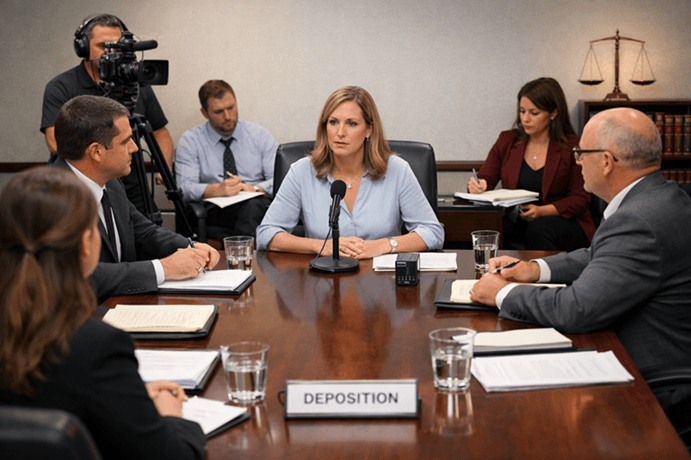
A criminal defense meeting becomes more productive when the facts are organized before strategy is discussed. Instead of trying to decide which argument sounds strongest, prepare a clear timeline, identify relevant people and documents, and separate what you personally know from assumptions or information received from someone else.
Begin With a Factual Timeline
Write events in chronological order using dates and approximate times where known. Include what happened before, during, and after the incident, but don’t fill memory gaps with guesses.
The Sixth Amendment protects the right to assistance of counsel in criminal prosecutions, and effective preparation helps counsel evaluate the case rather than spending the entire meeting reconstructing basic events.
Mark Facts You Are Unsure About
A statement such as “around 9 p.m.” is different from claiming an exact time you don’t remember. Identifying uncertainty can be more useful than creating false precision.
Gather Documents Without Altering Them
Collect charging documents, court notices, photographs, relevant messages, receipts, correspondence, and other records that may help counsel understand what occurred. Preserve original material whenever possible.
Creating organized legal notes can help separate questions from factual records. Avoid deleting, editing, recreating, or selectively changing potentially relevant information simply because it appears unhelpful.
| Material | How to Organize It | Avoid |
|---|---|---|
| Timeline | Chronological order | Filling gaps with guesses |
| Messages | Preserve originals | Editing conversations |
| Court papers | Sort by date | Discarding old notices |
| Witness names | Note connection | Coaching accounts |
Separate Evidence From Interpretation
“Camera footage shows a blue car” is an observation. “The footage proves who was driving” is an interpretation that may require additional evidence. Keeping those categories separate makes discussion more precise.
A folder containing supporting case records can be useful for organization, provided the material is compared with actual court and discovery documents rather than treated as an independent legal conclusion.
Prepare Questions About the Strategy
Write down what you need explained: the elements of the charge, disputed facts, available motions, likely evidence issues, possible resolutions, and upcoming deadlines. Strategy should grow from the law and evidence rather than from a preferred outcome alone.
General criminal appeal discussions may introduce useful terminology, but an appeal-oriented issue isn’t necessarily relevant to a case still in pretrial proceedings. Ask counsel which questions matter at the present stage.
What Can Undermine Defense Preparation?
Trying to “improve” the story is one of the worst habits. Inconsistencies can emerge when someone repeatedly adjusts details to make them sound more favorable.
Another mistake is contacting witnesses to coordinate accounts or posting detailed explanations online. Communications can create additional evidence or complications. Discuss appropriate communication boundaries with counsel instead of improvising them.
When Should Legal Help Come Quickly?
Seek qualified criminal defense assistance promptly when charges have been filed, questioning is expected, important evidence may disappear, a search or seizure is disputed, or a court deadline is approaching.
Urgent advice can also be important when a case involves immigration consequences, protective orders, professional licensing, firearms restrictions, or another collateral issue that may not be obvious from the criminal charge alone.
Frequently Asked Questions
Should I write everything I remember before meeting a defense lawyer?
A private factual timeline can help organize your memory. Keep it accurate, distinguish estimates from known facts, and ask your attorney how written materials should be handled because confidentiality and disclosure issues can depend on circumstances.
Should I bring text messages and photos to the meeting?
Relevant records may help counsel understand the situation. Preserve originals and avoid editing or deleting material. Your lawyer can decide what is significant and how it should be reviewed.
Can I contact witnesses to ask what they remember?
That can create risks depending on the situation. Before contacting a potential witness about a pending criminal matter, discuss the proposed contact with counsel and avoid attempting to influence anyone’s account.
Give Strategy a Reliable Factual Base
A defense strategy can’t be stronger than the information supporting it. Bring counsel an accurate timeline, preserved records, clear questions, and an honest account of what you know and don’t know. Organization won’t decide the legal strategy for you, but it gives your attorney better material from which to evaluate the available options.
This article provides general legal information and is not a substitute for advice from a qualified criminal defense attorney.