
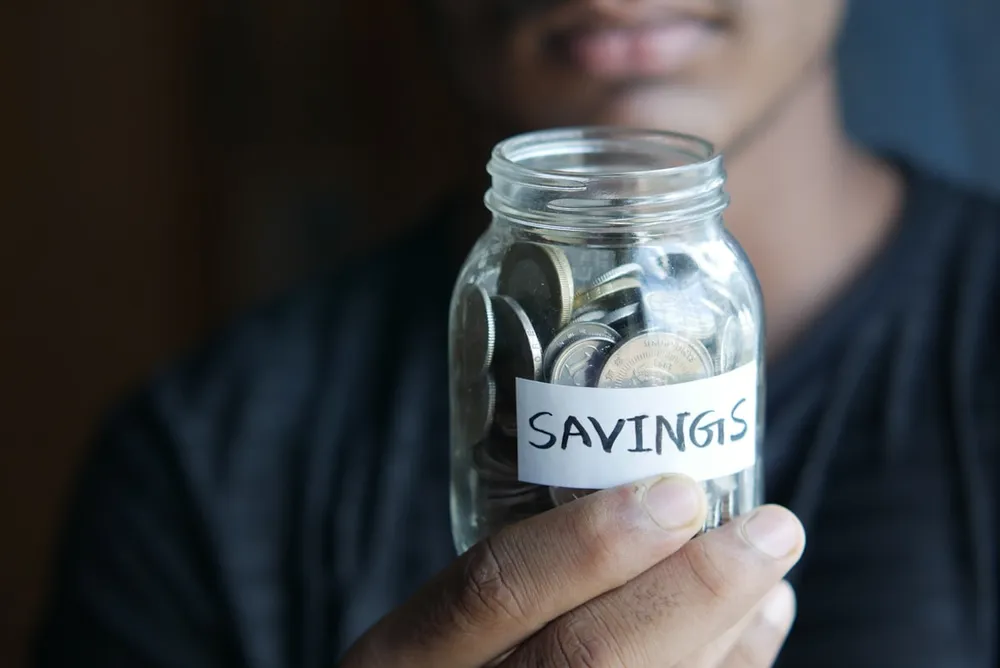
Savings automation works poorly when transfers happen only after most of a paycheck has already been spent. Moving a planned amount toward savings shortly after income arrives can reduce the temptation to treat that money as available spending cash. The amount and timing still need to fit real bills, cash flow, account rules, and personal financial priorities.
Why Timing Matters With Automatic Saving
Waiting until the end of a pay cycle often leaves savings competing with everything already purchased. An earlier transfer changes the order: income arrives, an intended amount moves to savings, and remaining money covers planned spending.
That doesn’t mean the transfer should be aggressive. People reviewing money habits through general reading hubs should still base any automatic amount on their own income, essential expenses, debt obligations, and cash-flow timing.
Start With an Amount Your Budget Can Absorb
A smaller transfer that happens consistently may be more workable than a large transfer that repeatedly has to be reversed. Review recent checking-account activity before choosing the amount.
Leave enough money for rent or housing costs, utilities, food, transportation, scheduled payments, and other expected obligations. Automation should reduce decision fatigue, not create preventable shortages.
Place the Transfer Near Your Pay Date
One practical method is scheduling the savings transfer shortly after an expected paycheck clears. Some employers also allow direct deposit to be divided between checking and savings accounts.
The Consumer Financial Protection Bureau discusses automatic saving methods, including recurring transfers and split direct deposit. It also emphasizes paying attention to income, expenses, timing, account terms, and the possibility of fees when balances become too low.
Online independent blog material can provide broader discussions about habits, but bank terms and official consumer information should guide decisions involving actual accounts.
| Automation Setup | Potential Benefit | Issue to Watch |
|---|---|---|
| After payday | Saves before discretionary spending | Bills due immediately |
| Split direct deposit | Money bypasses checking | Employer availability |
| Weekly transfer | Smaller repeated amounts | Uneven cash flow |
| Monthly transfer | Easy to monitor | Timing with large bills |
Build a Buffer Around Automatic Transfers
Transfers shouldn’t operate in isolation from the rest of the checking account. Review upcoming bills and leave a reasonable cushion so ordinary timing differences don’t create an avoidable shortfall.
People may encounter broader web references while exploring everyday planning ideas, but financial automation requires closer attention to account-specific terms. Processing dates, minimum balances, overdraft practices, and transfer availability can differ by institution.
Account alerts can also help. Notifications for low balances, deposits, withdrawals, or upcoming bills provide another layer of visibility when several transactions happen automatically.
Where Savings Automation Can Fail
The biggest mistake is treating automation as something that never needs review. Income can change, expenses can rise, and bill dates can move, leaving an old transfer amount poorly matched to current circumstances.
Another problem is automatically moving money into savings and repeatedly transferring it back a few days later. That pattern usually signals that either the amount, timing, or underlying spending plan needs adjustment.
When Financial Guidance May Be Worth Considering
Consider additional help when essential bills are routinely being missed, overdraft or insufficient-funds charges keep occurring, debt payments are becoming unmanageable, or you’re unsure how saving fits alongside other financial obligations.
A qualified financial counselor or other appropriate professional can help evaluate the broader situation. Avoid treating a generic automation rule as personalized financial advice, particularly when income is unstable or debts and obligations are complex.
Frequently Asked Questions
Should savings transfers happen on payday?
They can happen on or shortly after payday if enough money remains for upcoming obligations. The best timing depends on when income becomes available and when major bills are scheduled.
What if I keep transferring savings back to checking?
Frequent reversals may mean the automatic amount is too high, the transfer happens too early, or the budget doesn’t reflect actual spending. Review those factors before increasing savings.
Is automatic saving better than manual saving?
Automation can make consistent saving easier by reducing repeated decisions. Manual saving may provide more flexibility for irregular income, so the better approach depends on how predictable your cash flow is.
Make Automation Match Real Cash Flow
Automatic saving is useful only when the system survives ordinary life. Choose an amount that fits your actual budget, place the transfer where it has a reasonable chance of remaining untouched, and review the setup whenever income or expenses change. The goal isn’t to automate the largest possible transfer; it’s to create a savings process that can continue without disrupting essential obligations.
This article is for general informational purposes and is not a substitute for personalized financial advice.