
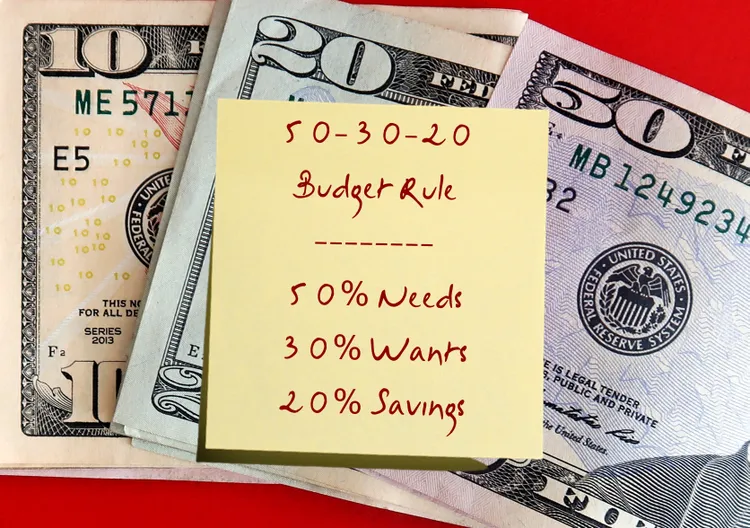
Money often disappears through dozens of decisions that seem harmless on their own. Delivery fees, subscriptions, impulse purchases, convenience spending, and unplanned upgrades can quietly push a monthly budget off course. Unplanned monthly spending becomes easier to control when you create simple rules before money leaves your account instead of relying on willpower afterward.
The first step is seeing where the pattern begins.
Separate Fixed Costs From Flexible Spending
Start with expenses that are difficult to change quickly, such as housing, utilities, insurance, minimum debt payments, and essential transportation.
Then identify flexible categories. Dining out, entertainment, shopping, convenience purchases, and optional subscriptions often contain more room for adjustment.
Review Real Transactions
A budget based on guesses can hide the problem. Review recent bank and card transactions and group them into practical categories.
The Consumer Financial Protection Bureau provides budgeting and money-management resources that can help consumers understand spending and financial planning concepts.
Set Limits Before the Month Begins
Decide what you can reasonably spend in flexible categories before purchases begin accumulating. A weekly limit may be easier to follow than one large monthly number.
People comparing everyday budgeting resources may encounter many systems, but complicated rules aren’t required. A clear spending boundary works only when you can check it quickly.
Leave some room for ordinary surprises. A budget with no flexibility often becomes unrealistic the first time an irregular expense appears.
Add Friction to Impulse Purchases
Fast checkout makes unplanned buying easier. Removing stored payment details, waiting before discretionary purchases, or keeping items on a wish list can create enough time to reconsider.
Broader personal finance directories may expose readers to different budgeting ideas, but spending friction works because it interrupts automatic behavior.
| Spending Pattern | Simple Rule | Purpose |
|---|---|---|
| Impulse shopping | Wait before buying | Reduce rushed decisions |
| Frequent takeout | Set weekly limit | Control convenience costs |
| Forgotten subscriptions | Review monthly | Remove unused charges |
| Variable leisure spending | Use category cap | Protect other priorities |
A delay doesn’t mean you can never buy something. It gives you time to decide whether the purchase still feels worthwhile.
Give Irregular Expenses Their Own Category
Car repairs, gifts, annual memberships, school costs, and home maintenance aren’t always monthly expenses, but they aren’t truly unexpected either.
Useful budgeting commentary may encourage broader planning, while your own transaction history can show which irregular costs repeatedly catch you by surprise.
Setting aside smaller amounts regularly can make those expenses less disruptive when they arrive.
Review Subscriptions Separately
Subscription charges are easy to ignore because each payment may look small. Review them one by one and ask whether you still use the service enough to justify the ongoing cost.
Canceling unused recurring charges can improve cash flow without changing daily routines.
Where Spending Rules Can Fail
A spending plan that is too restrictive can be difficult to maintain. If normal social activities, transportation needs, or household costs consistently break the budget, the limits may be unrealistic rather than evidence of poor discipline.
Don’t overlook income problems either. Expense cutting has limits. Someone facing a persistent gap between necessary expenses and income may need a broader financial plan rather than increasingly strict rules.
Avoid using new debt simply to make an unsustainable budget appear balanced.
When to Get Financial Help
Consider seeking qualified financial guidance if you routinely cannot cover essential bills, are falling behind on multiple debts, face collection activity, or cannot see a realistic way to stabilize cash flow.
A nonprofit credit counselor or other appropriately qualified professional may help explain options. Be cautious with organizations that promise instant debt elimination, demand large upfront payments, or pressure you to make immediate financial decisions.
Frequently Asked Questions
How can I stop impulse spending each month?
Create a waiting period for nonessential purchases, keep a written spending limit, and review discretionary spending regularly. The goal is to interrupt automatic buying before it becomes part of the monthly total.
Should I use weekly or monthly spending limits?
Either can work. Weekly limits may be easier for categories such as food, entertainment, and personal spending because they provide faster feedback before the entire month’s budget is used.
What expenses are easiest to overlook?
Subscriptions, delivery charges, app purchases, small convenience transactions, annual renewals, and irregular fees are frequently missed because they don’t always feel like major purchases individually.
Make the Rules Easy to Follow
Focus first on visibility, realistic limits, and repeat expenses. Review actual transactions, set boundaries before spending begins, and build irregular costs into the plan instead of treating every surprise as an emergency. A simple budget you can follow is more useful than a perfect spreadsheet that gets abandoned after one difficult week.
This article is for general informational purposes and is not a substitute for professional financial advice.